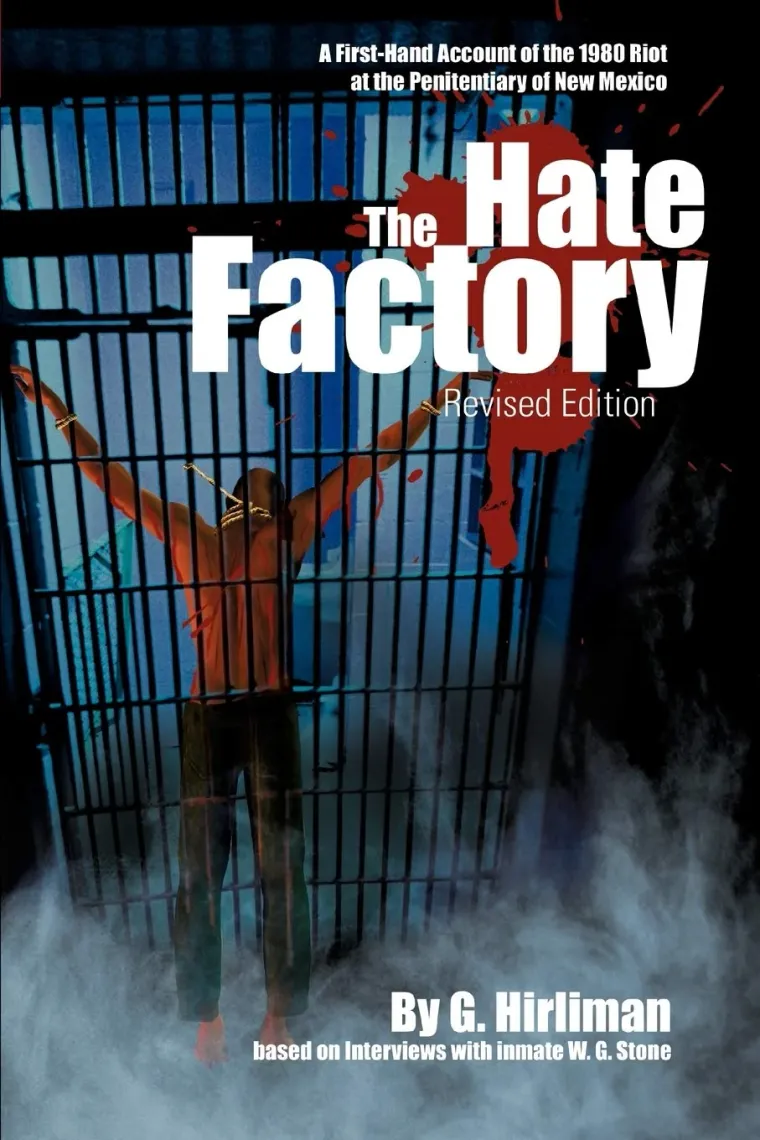
The Hate Factory
Before you read
Genre True Crime
Pace Fast
Mood Dark · Emotional · Tense · Sad · Reflective · Informative · Challenging
Content warnings (6) tap to show
- Violence
- Graphic gore
- Sexual assault
- Torture
- Drug or alcohol abuse
- Racism
My Score
My Review
The Hate Factory is Georgelle Hirliman’s account of the 1980 riot at the Penitentiary of New Mexico, built largely from extensive interviews with inmate W.G. Stone, who lived through the entire thirty-six-hour uprising. It doesn’t just jump straight into the riot either. A good part of the book looks at overcrowding, drugs, understaffing, corruption, terrible living conditions, and years of warnings about problems inside the prison before everything finally exploded.
Once the riot begins, though, this becomes incredibly difficult to read. I knew what had happened going in, but the firsthand perspective makes the violence feel much more immediate than just reading the statistics afterward. The accounts of inmates being beaten, stabbed, raped, tortured, and mutilated are genuinely horrific, and some of the descriptions are extremely graphic. What stuck with me most was how preventable so much of it seems. The book makes it pretty hard to look at those thirty-six hours as an isolated explosion when the problems inside the prison had apparently been building for decades.
The Goods
- The firsthand perspective is incredibly effective
- Gives real context for why the riot happened
- Doesn’t soften how horrific the violence became
- Shows how long the prison problems had been building
- Short enough that it never feels overly stretched out
The Bads
- Some sections are extremely difficult to read
- The violence becomes overwhelming
- The narrator's personal commentary can feel dated
- Certain parts repeat similar criticisms of the prison system
- Definitely not a book for squeamish readers
My Recommendation
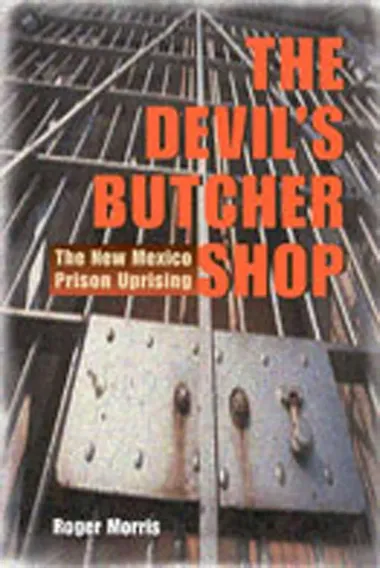
This is a strong choice if you like true crime and prison history and want a firsthand account rather than a more detached investigation. What made it especially effective for me was that Stone isn't describing something he researched afterward—he was inside the prison while it was happening. The book is brutally graphic, but the violence isn't there just for shock; it shows what happened when years of overcrowding, poor management, drugs, fear, and resentment finally broke apart. If you found the New Mexico riot interesting in The Devil's Butcher Shop, this gives you a very different perspective on the same event.
Spoilers Tap to show: only if you’ve read it, or don’t mind knowing what happens
W.G. Stone is serving time at the Penitentiary of New Mexico when inmates overpower guards on February 2, 1980 and take control of the prison. What begins as an uprising quickly turns into mass violence as inmates break into areas containing drugs and alcohol, take correctional officers hostage, and begin hunting prisoners they believe are informants or enemies. Men are beaten, stabbed, burned, tortured, raped, and mutilated, with some bodies continuing to be attacked long after death. Stone spends the riot trying to survive while watching the prison completely collapse around him. After roughly thirty-six hours, authorities finally regain control of the devastated facility. Thirty-three inmates are dead, more than two hundred people are injured, and the surviving hostages are released. The book ends with the riot presented not as something that appeared out of nowhere, but as the result of years of overcrowding, poor conditions, drugs, understaffing, brutality, and repeated warnings about a prison system that was already dangerously close to breaking.
Find this book at these locations
To buy
- Amazon paperback or hardcover
- Bookshop.org from a local shop
More reviews: Goodreads · The StoryGraph