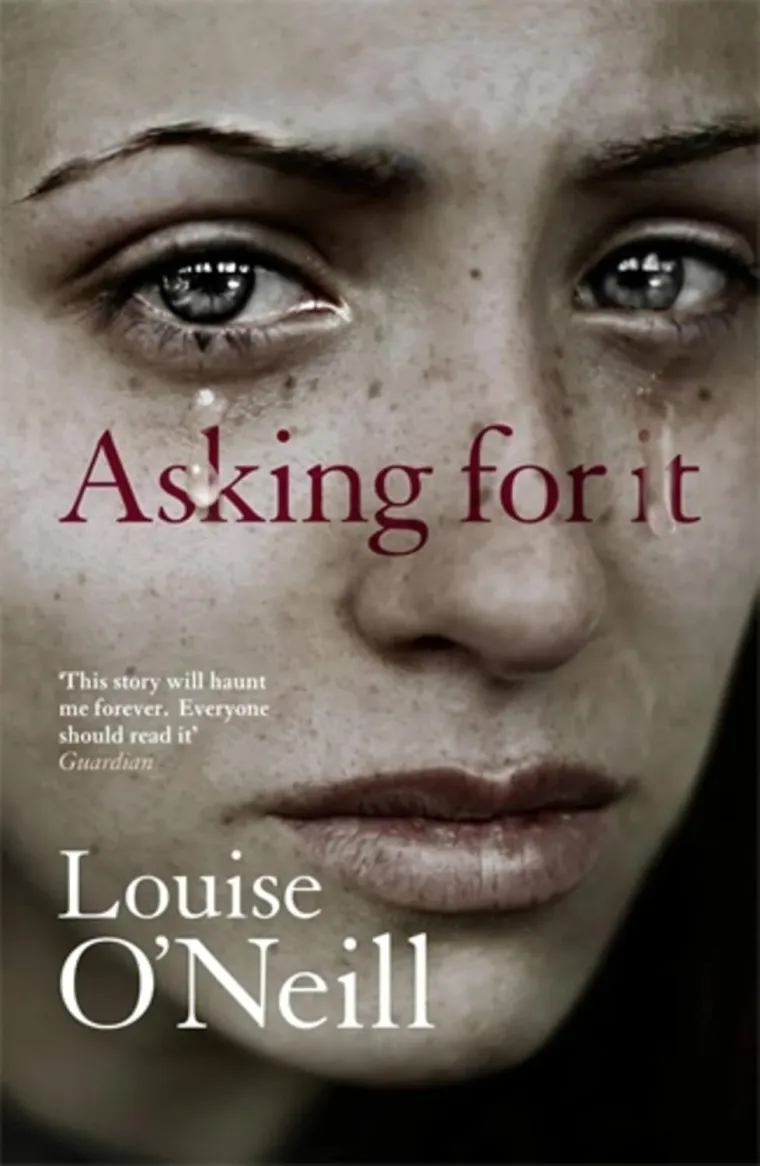
Book review by Corey
Asking For It
Asking for It follows Emma O’Donovan, a popular eighteen-year-old in a small Irish town whose life changes completely after a party. She wakes up injured, with no memory of what happened, and soon discovers that explicit photos from the night have been posted online. Instead of being supported, Emma quickly becomes the target of gossip, judgment, and blame from people who are more interested in protecting the boys involved than understanding what happened to her.
The book is brutal because it spends as much time on the aftermath as it does on the assault itself. It looks at rape culture, victim-blaming, social media, shame, and the way a whole community can turn on one person. Emma is not written as a perfect victim, which makes the story feel even more uncomfortable and realistic, and the writing never tries to make any of it easy to read.
The Goods
- Very powerful subject matter
- Strong look at victim-blaming
- Emma feels complicated and believable
- Social media is used effectively
- The emotional impact is hard to shake
The Bads
- Extremely difficult to read
- Very little emotional relief
- Some characters are deliberately frustrating
- The subject matter can be overwhelming
- Definitely not for sensitive readers
My Recommendation
This is a strong choice for readers who are comfortable with very heavy contemporary fiction about sexual assault, consent, victim-blaming, and the way communities treat survivors. Asking for It is not an easy book and it is not meant to be, but that is also why it leaves such a strong impression. Emma is flawed, angry, and complicated, which makes the story feel more real than if she had been written as a perfect victim. If you can handle the subject matter, this is one of those books that stays with you long after you finish it.