Home Book ReviewsSwallowtail

Swallowtail

by Corey

EMILY ROSS

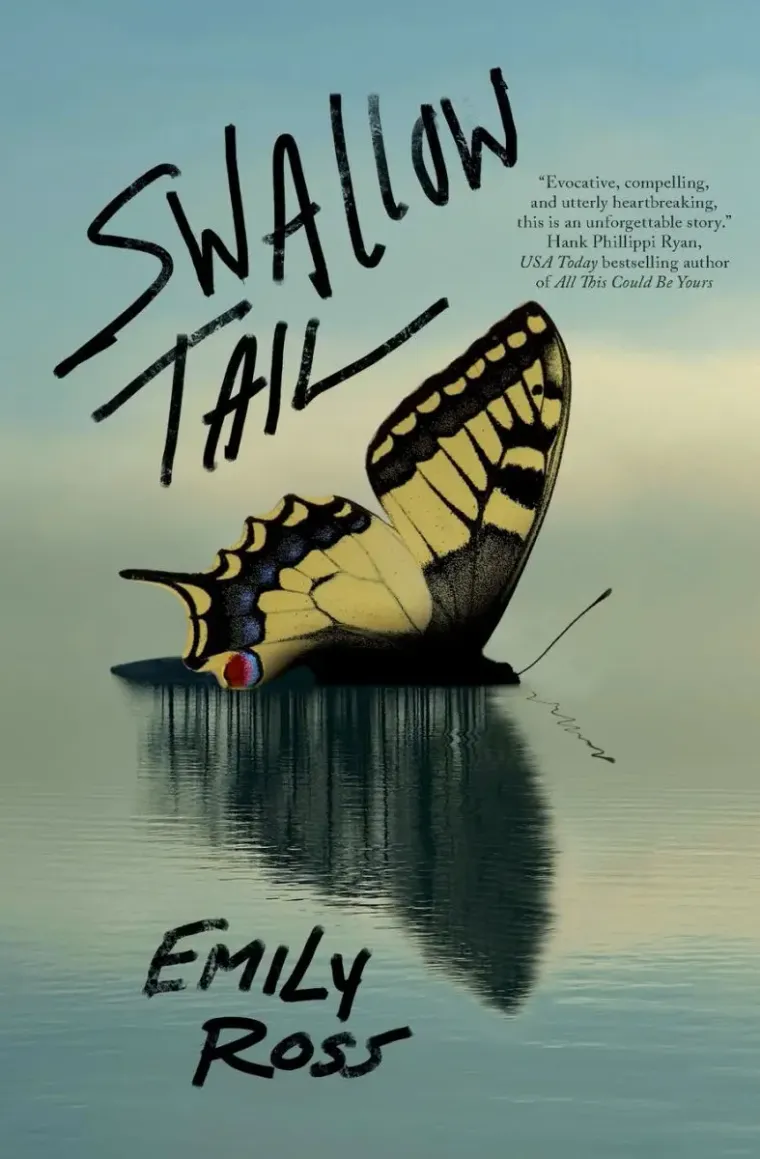
Swallowtail is a psychological thriller that combines a murder investigation narrative with a very atmospheric, artistic style that you’d normally associate with more literary genres of writing. It jumps back and forth in time, keeping you on edge not just for what has happened, but for what our protagonist can’t help but question in terms of their own memories. Samantha Watson is a protagonist who has to solve a case, but she also has to live alongside that case, which makes for a very claustrophobic narrative that a more traditional thriller can’t necessarily achieve.

The reflective style, however, can be a bit of a drawback in terms of pace, especially when you are in a hurry for a very plot-oriented thriller tale. What I loved most about it, in fact, was its deliberate use of symbolism. The art element, the myth element—isn’t it because it’s trying to seem clever, really more of the symbolism or motivation or premise of the story. There’s definitely a creepy element of building fear from the list of characters, where it feels like some characters are getting maybe a little bit too close to center stage, and it’s up to you to pick up on it. But sometimes, yes, it does feel a bit too much, as in, it’s trying too hard with its big, metaphoric ideas, when something simpler would have worked just as well.

Ultimately, Swallowtail delivers its surprise so well it becomes a moment of reinterpretation for virtually everything that has come before it, and it holds up because it’s based on manipulation, trust, and control, not just surprise. The most negative concept presented within this novel is not merely a function of a crime taking place but a recognition of how a crime can inform entire narratives that are then projected on others with a belief that everyone else must live out those narratives as well. It’s serious and could very well be disturbing for some readers, but it’s a thriller with staying power because it has a message, not just information to reveal.

The Goods

– The dual timeline format makes the suspense constant and makes the reveals feel earned.
– Both art and myth components contribute significantly to the story and are not incorporated as a gimmick.
– The voice of the character, Samantha, is unique and engaging; hence, this book is not like any other thriller.
– The atmosphere is very creepy and engrossing, with a payoff that lands perfectly.

The Bads

– At times the pacing is glacial, and certain areas of the book seem more interested in conjuring atmosphere and metaphor than propulsion.
– There are moments when the symbolism becomes a tad pretentious, as if the book boasts about its cleverness.
– The memory-and-trauma structure may also cause the plot to be a fog machine, particularly when it becomes confusing for a better understanding.
– There are some drastic plot twists that rely on thriller convenience. If you are interested in reality and procedure, this may drag you away.

I would suggest this book to those who like their thrillers on the darker, more literary side, the kind that cares as much about psychology and iconography as it does about figuring out the mystery. Those readers who like their stories to feature symbolism that matters, characters who are messy and complex, and resolutions that call into question assumptions from earlier in the story will find it here. Just do not expect it to be easy or comforting.

Every book hits differently for every reader.
Thanks for reading my review.

– Corey

You may also like